SYNOPSIS
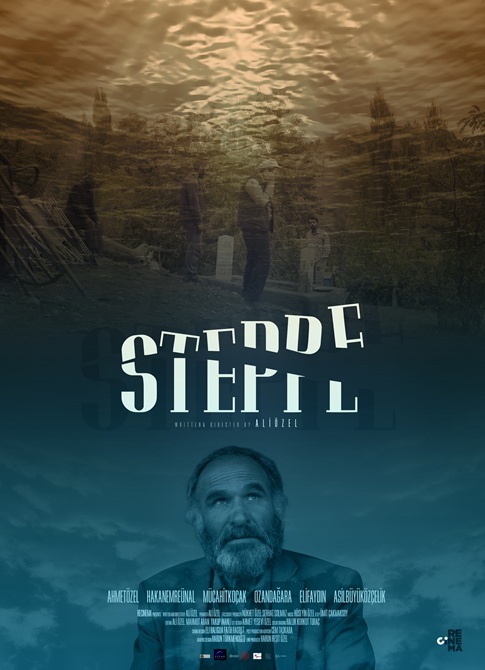
An ongoing dam project necessitates the evacuation of Ahmet and his nephews’ village. But Ahmet, a recluse whose world revolves around his home and the garden where his wife is buried, refuses to move into a new house despite his nephews’ insistence. Loath to leave Ahmet behind, the nephews ask his estranged son, Harun, to come to the village to prevail on him. However, there is nothing easy about this reunion between a father, who thinks his son blames him for his wife’s death, and a son, who couldn’t stop his father burying his mother in the garden. Harun can’t bear to leave his mother underwater and proposes moving the grave. Though against the idea, Ahmet doesn’t have the strength to argue otherwise and reluctantly agrees.
The dam waters are rising fast; time is running out. Will this last-minute decision be enough to put right the mistakes of the past?
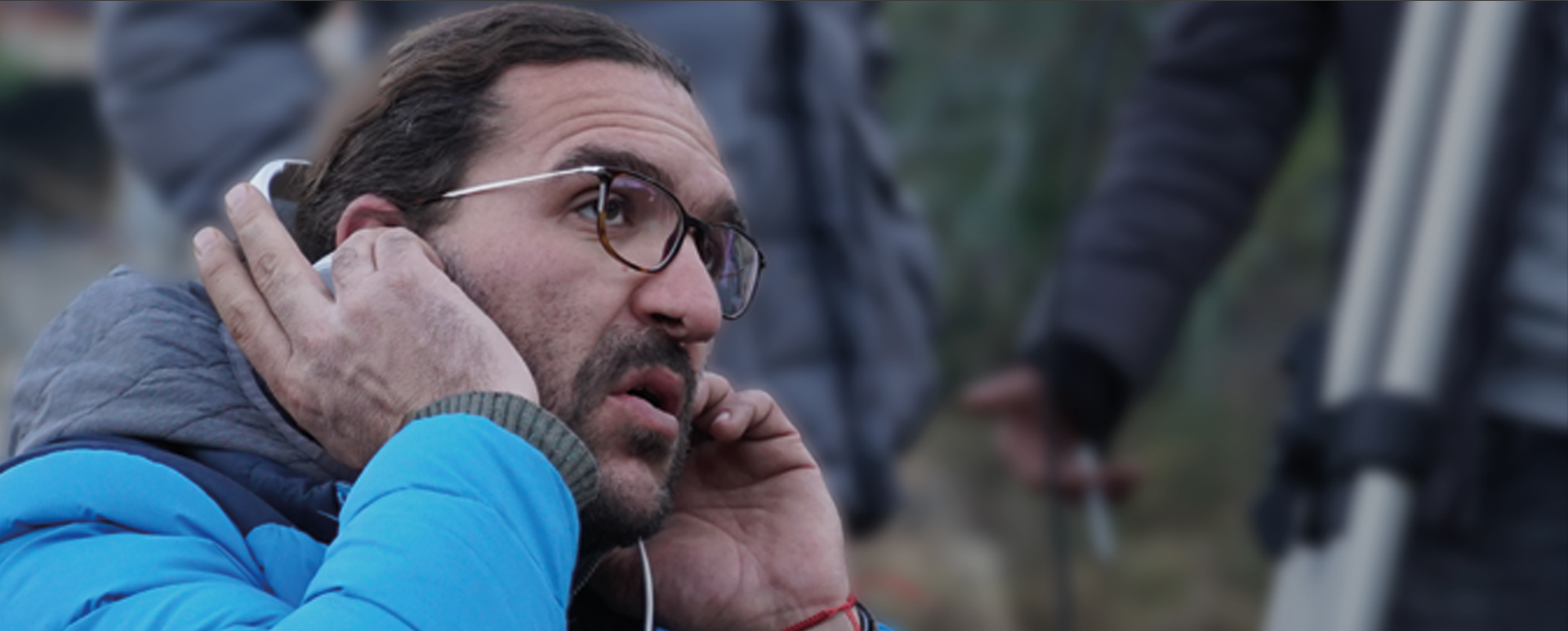
DIRECTOR’S STATEMENT
When a family gets together after a long time, it is almost as if a row is waiting to happen. All it takes is for one person to behave insensitively, and what follows is an outburst that makes it hard to believe these people belong to the same family. But equally, blood is thicker than water: they all need each other, they are attached to, and love each other deeply...
When I look at the families around me, including my own, I am left thinking that this story is true of most people… But rather than a story with a beginning, middle and end, it is more like a gnawing sense of anguish.
I have seen, and personally experienced, how Anatolian people live with this sense of anguish, even resentment; and I have seen how it represses their feelings and affects their behavior. Our own frustrations, our fathers’ disappointments, those of siblings and neighbors; the half-lived lives of those who stay and those who go… These pent-up feelings tend to suddenly explode, not by themselves, but with the trigger of some external factor. And there are times when people sharing the same fate, who live side-by-side, but close their ears to others, are forced to reach a decision together. This is where the paradox lies: Were we ever really side-by-side? Is this precisely why we can never get together?
This sense of anguish becomes a noise in our heads, a constant hum underlying our conversation that makes communication impossible. Our biggest mistake is to think that the problem develops at a verbal level. The issue is not our inability to express ourselves; it is that most of the time we are too repressed to express ourselves… The way to forgive and let go is surely to stop ignoring that noise in our heads first. We can only come to terms with someone else if we first come to terms their very being and all the social relationships that go with it…
Steppe is a familiar story that sets out to show through the weather-beaten people of Anatolia that this process of accommodation and communication is possible, but also to explore the personal and political dimensions of our anguish through the foundering of an ordinary family and the (in)ability of its members to stand together.