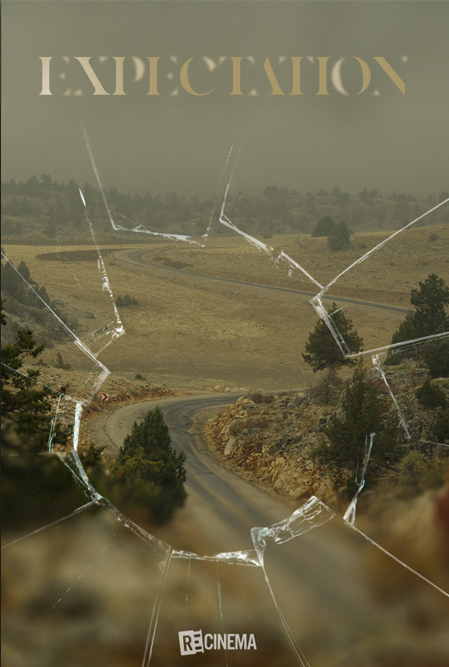
SYNOPSIS
In a remote, quiet mountain village in Anatolia, a dead body of young woman doctor drags the entire village into fear and curiosity. The villagers began to form their own judgments by suspecting one another.
Shepherd Celil denies having met with the deceased even if he did and he becomes the prime suspect due to his inconsistent statements. To get out of this situation, he must reveal the secret he has kept hidden for years even from his wife Hacer. Because of the rising gossip mill in the village, Celil's wife Hacer became increasingly isolated and started suspecting his husband.
Raci is an educated man, returned to his hometown after divorcing his wife years ago. He is the prominent figure of the region. He ran a concrete plant where he employs many villagers, his brother is the mayor of the county. He thinks as a rural guy, shepherd Celil doesn’t know what to say in certain conditions and that’s why believes he is innocent.
Enver, the son of Raci comes to visit his father in the countryside and finds himself as a lawyer for Celil. The mountain village he escaped to find a piece of ease is gradually drawing Enver into deeper darkness. Because him as a man who is still suffering from his parents troubled marriage and therefore doesn’t want to have children and finds out that Celil lied about the seeing the doctor because he wants to hide his secret fertility treatment with her.
Expectations, gossip, and judgments have become a curtain that hides the truth. As Enver tries to open the curtain, he must confront both his childhood and his own failing marriage. Are the expectations the ones manipulating the truth? Or is the truth hidden beyond expectations, in a place where no one wants to see it?
DIRECTOR’S STATEMENT
By nature, humans are born with an instinct for belonging. This instinct drives them to feel the need to belong to a place, a person, or a thing. Belonging triggers the drive to possess; the drive to possess gives rise to expectations. However, when these expectations collide with realities, it leads humans into a deep inner conflict.
The motivation that led me to make a film centered around people who prefer or are forced to live in rural areas was the desire to explore the refuges humans seek when they cannot cope with life's challenges. Family, siblings, friends, and the lands to which they feel belong are the shelters that come to their aid in their weakest moments. However, these shelters sometimes pose new conflicts and expectations within themselves.
In each decision we make we ring the bell of new expectations, and we continue our path with curiosity about what we have given up and left behind. Each time, we clash with the "what if" that grows like a snowball and gnaws at us. This film is the story of people standing right in the middle of this clash. The collapse of expectations requires to face the realities. However, despite being painfull this confrontation is a liberating process.
In this film, characters from different cultural backgrounds like lawyer Enver, his mother, his father, his wife, shepherd Celil, and his wife Hacer are all trapped between their expectations and realities, inviting the audience to question their own "what ifs" and expectations.
"Expectation" is also the story of chaos within humans. And maybe we are all, in some way, a part of this story. Because we all live with the expectations created by the instinct to belong and possess. And when these expectations face realities, they trap us in a reckoning.